2 hr 30 min
Gothenburg Archipelago Boat Tour with Live Guide
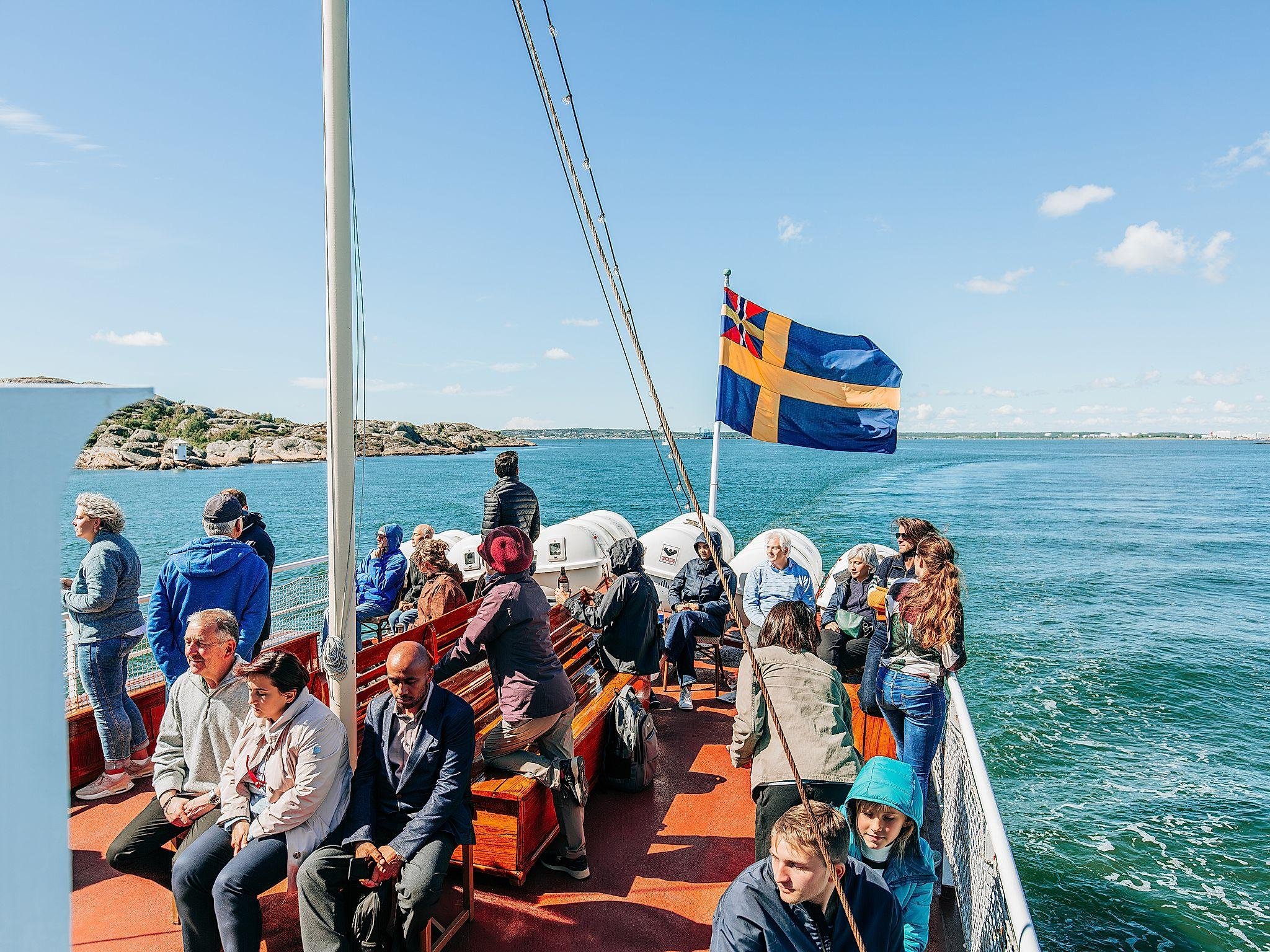
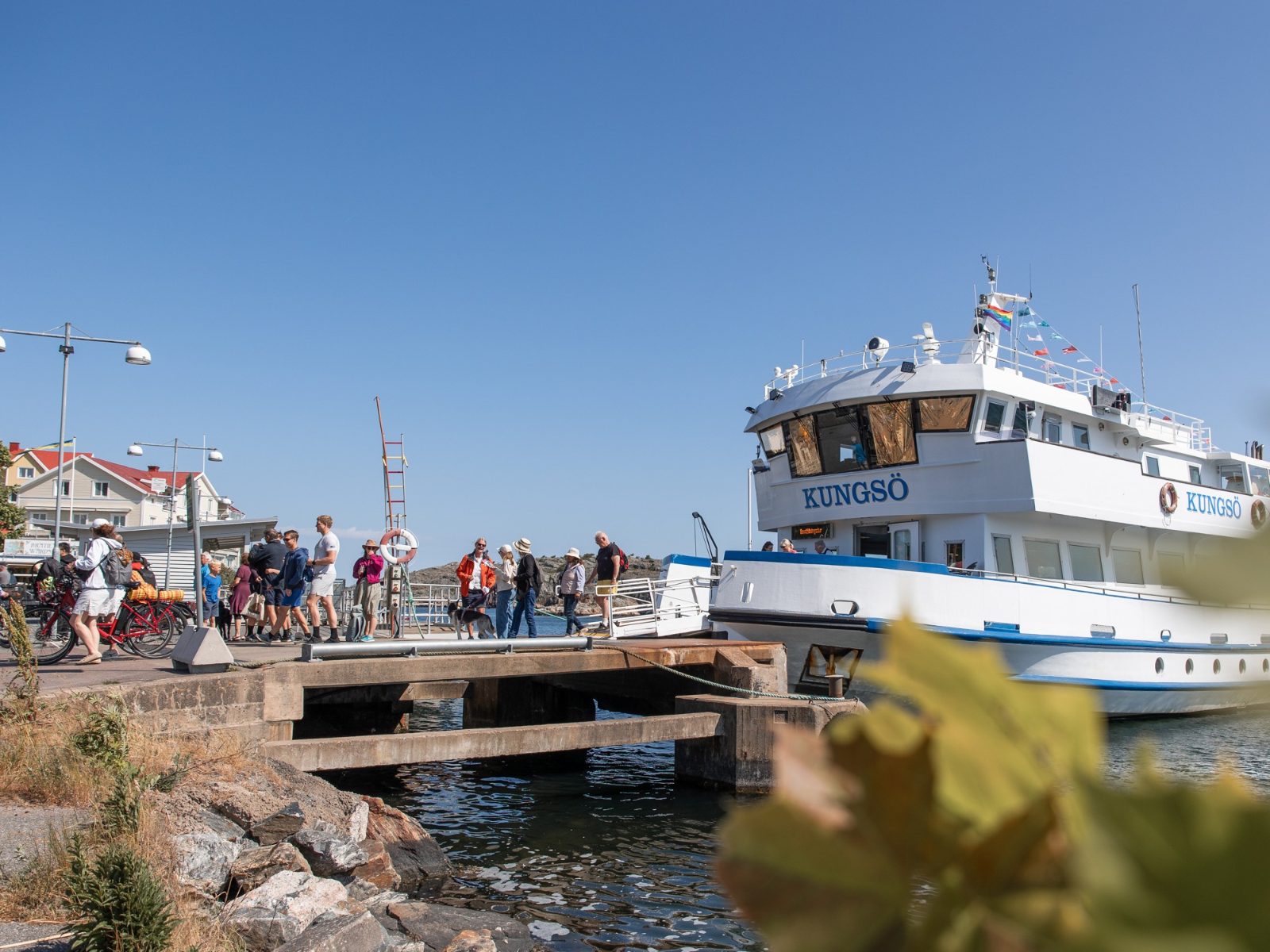
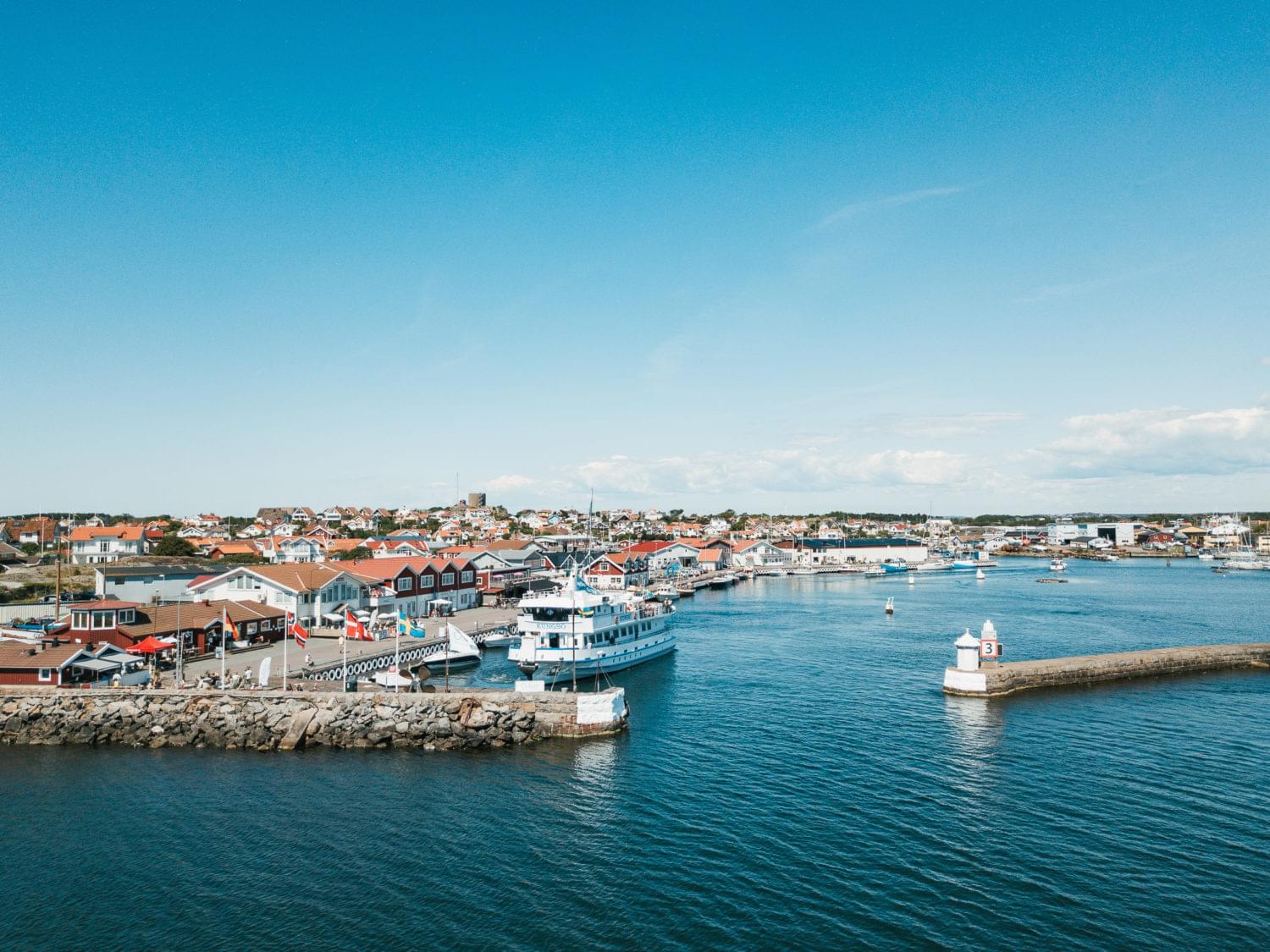
Cruise past historic fortresses and island-studded waters on a classic Swedish vessel
Reserve
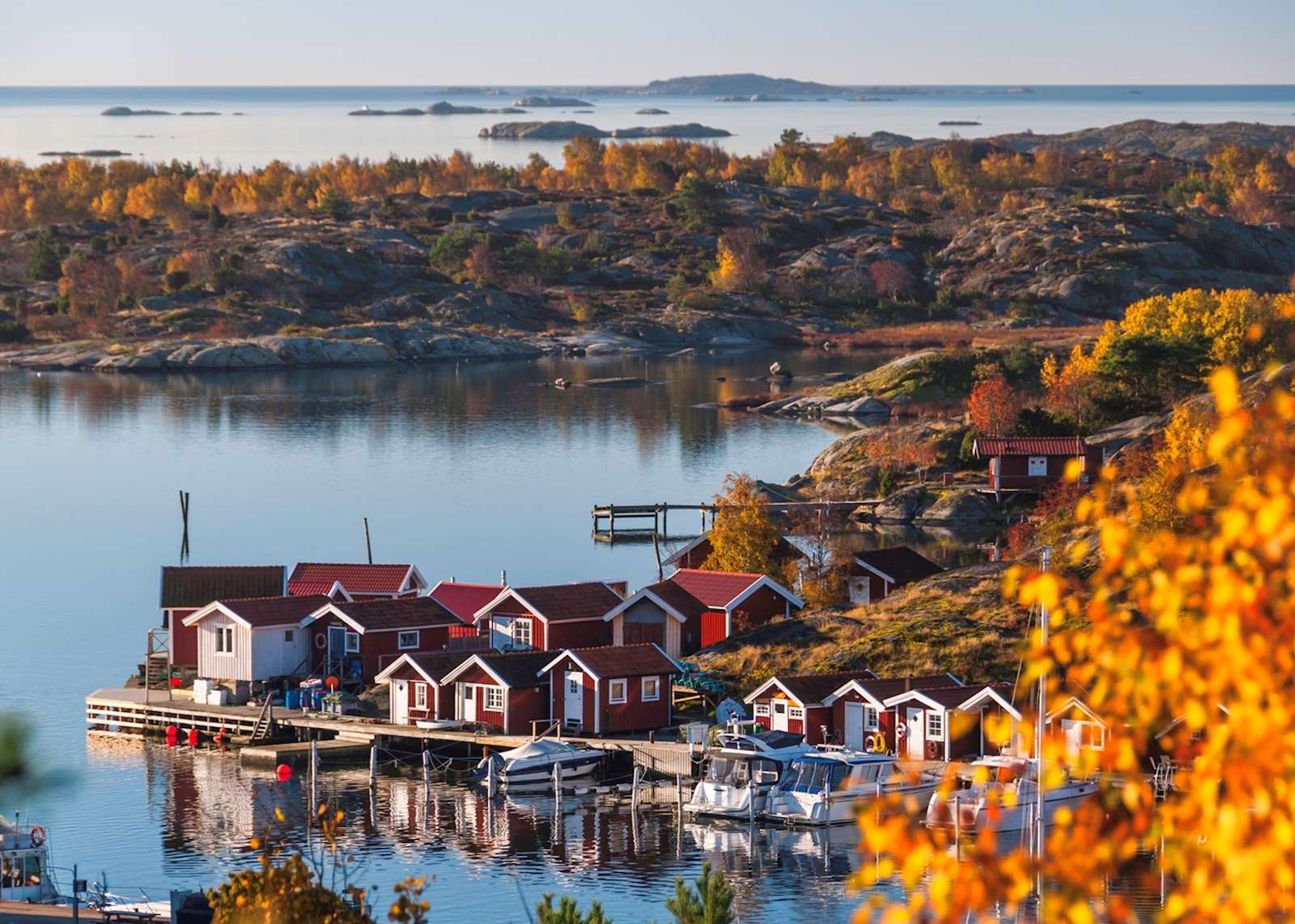
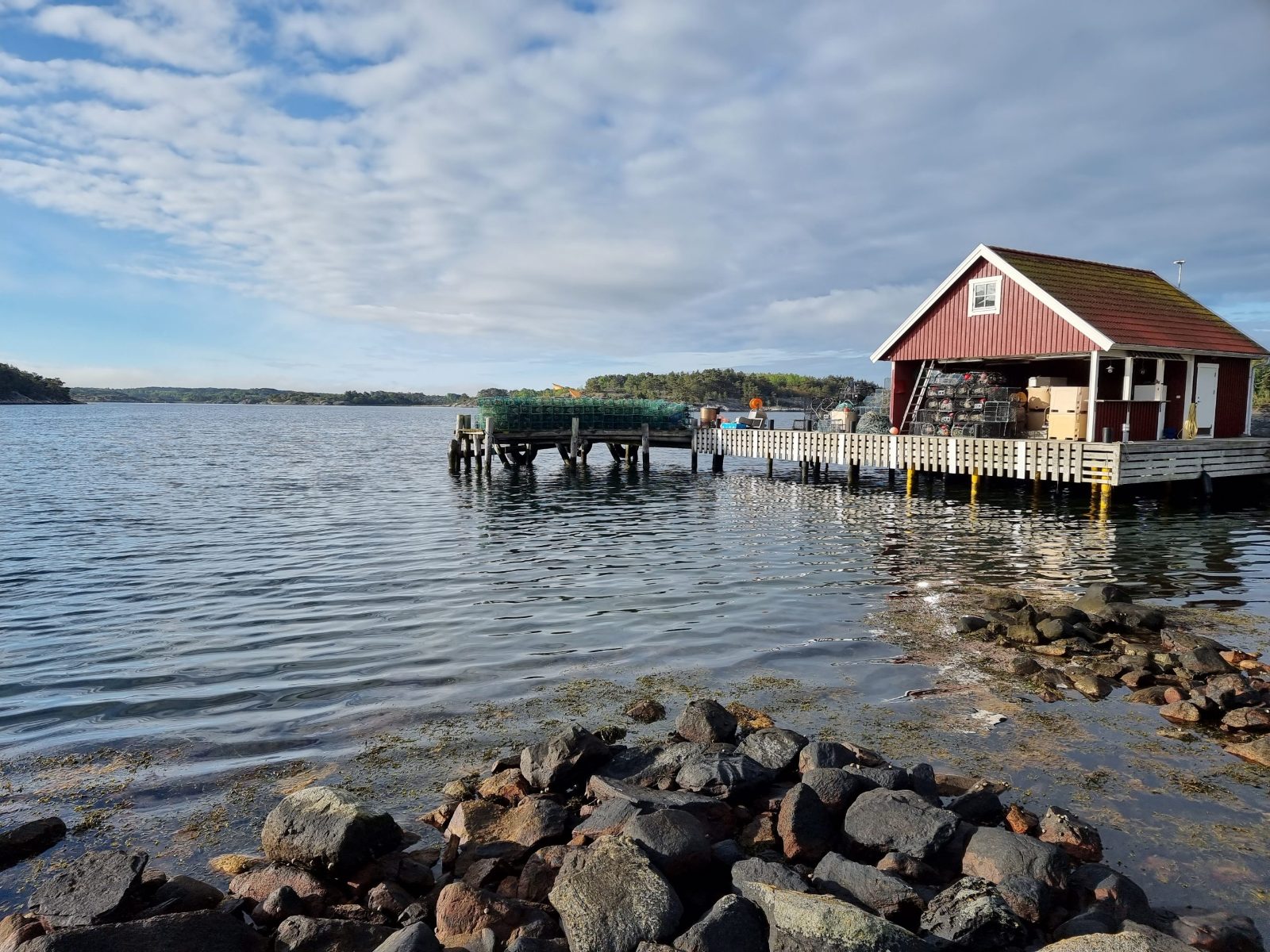
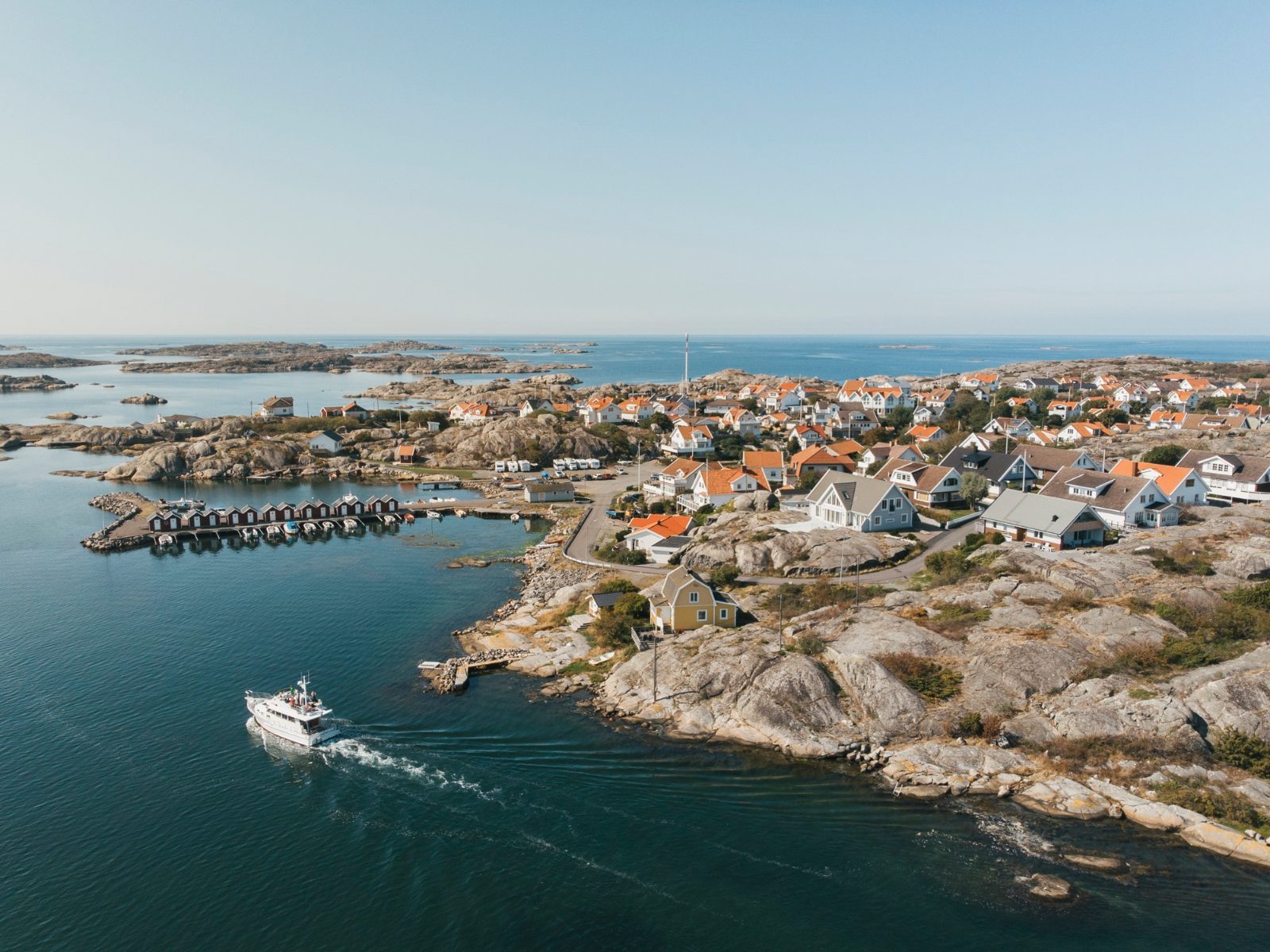
Car-free granite isles and painted timber houses, a ferry ride from the city.
Hand-picked by our editors — only the best 4 island routes from 12 reviewed.
Verified partners for Gothenburg Archipelago tours, free cancellation where available, and instant confirmation on every booking.
2 hr 30 min
Cruise past historic fortresses and island-studded waters on a classic Swedish vessel
Reserve
1 hr
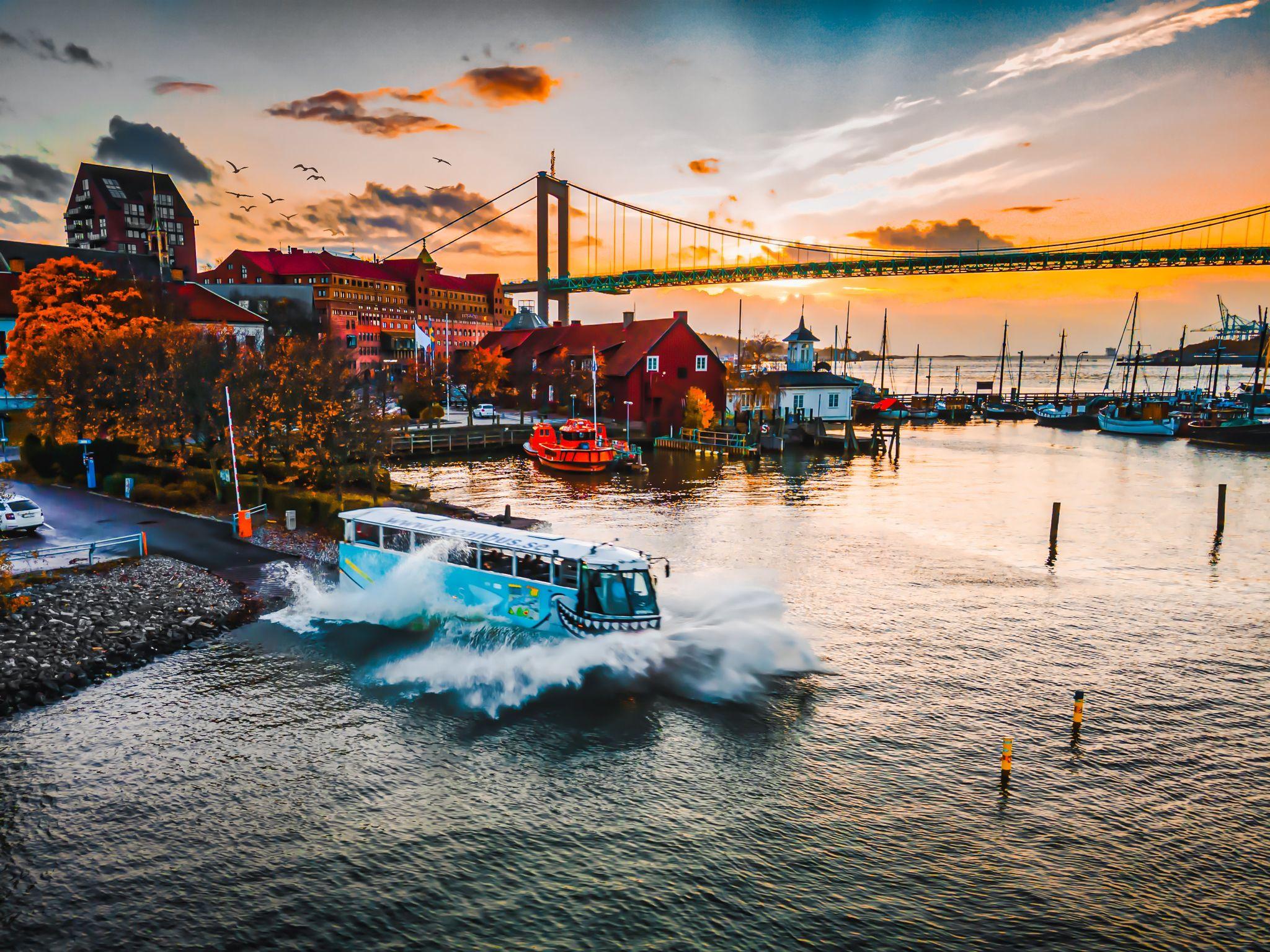
Cruise through the city by land then splash into the water aboard a transforming amphibious vehicle
Reserve
50 min
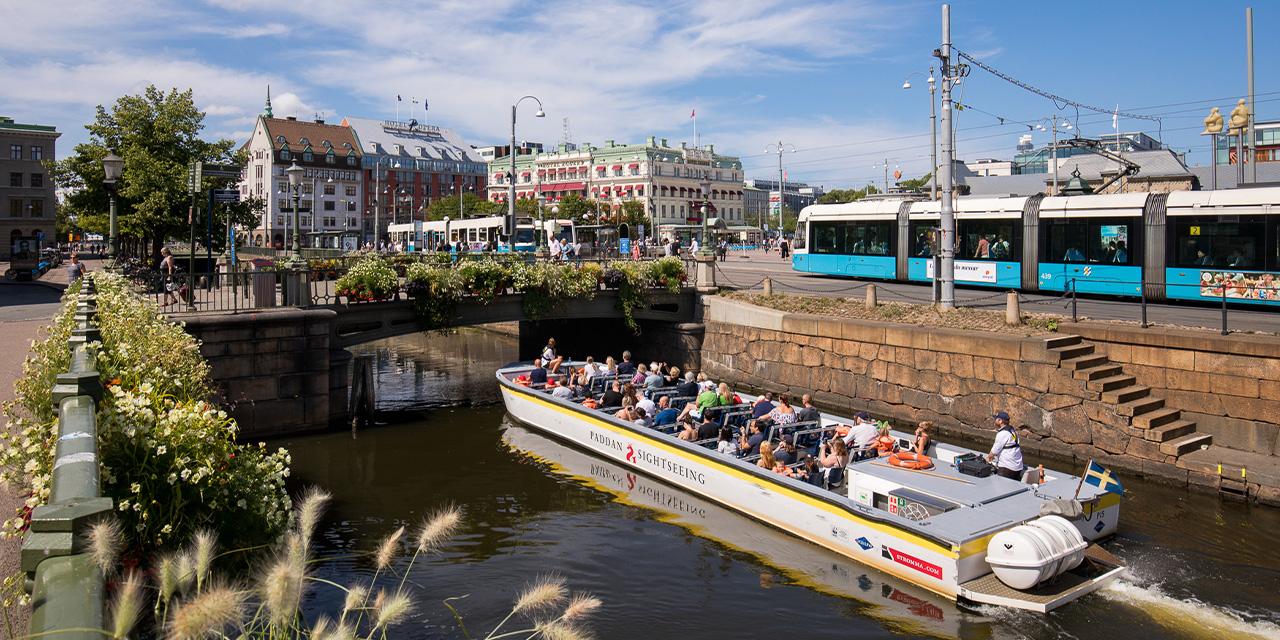
Glide through 17th-century moats and under 20 bridges on this iconic open-top boat tour with live commentary
ReservePrices from verified partners. Availability updates in real time at checkout. Free cancellation policies apply where shown.
Every Gothenburg Archipelago tour side-by-side — duration, what's included, how you redeem.
| Experience | Duration | Rating | Guide | Free cancel. | Price | |
|---|---|---|---|---|---|---|
|
Standard Entry Most popular
Gothenburg Archipelago Boat Tour with Live Guide
|
2 hr 30 min | ★ 4.4 | — | ✓ | €39 | Book → |
|
Standard Entry
Gothenburg Amphibious Bus Tour
|
1 hr | ★ 4.7 | — | ✓ | €32 | Book → |
|
Standard Entry
Paddan Canal Cruise Through Historic Gothenburg
|
50 min | ★ 4.7 | ✓ | ✓ | €24 | Book → |
All prices from verified partners. Availability and exact terms confirmed at checkout.
The public transit system is superior for island-hopping freedom, while a guided sightseeing cruise provides a structured narrative for those prioritizing historical context. Travelers seeking a gothenburg archipelago tour should choose the public ferries for total control over their itinerary.
| Feature | Top pick Gothenburg Archipelago | Guided Sightseeing Cruise |
|---|---|---|
Flexibility |
Full day independence | Fixed departure times |
Narrative depth |
Self-guided exploration | Live professional commentary |
Cost |
0 SEK (Free entry) | Approx. 350-500 SEK (summer) |
Access to islands |
Multiple stops | Limited stops |
Schedule reliability |
Frequent transit intervals | Set cruise duration |
Comfort |
Standard commuter ferry | Seating with amenities |
| See tickets → |
Verdict: If you prioritize deep history, choose the guided tours; if you prefer island exploration on your own schedule, utilize the public transit gothenburg archipelago tour tickets instead.
Choose your ticket, select your date, and reserve in under two minutes. Secure checkout handled by our verified partner.
Instant confirmation by email, with a mobile voucher you can save offline. No printing, no queuing at a collection desk.
Arrive at the entrance, show your voucher on your phone, and walk in. Most tickets include priority or skip-the-line access.
Practical details for Gothenburg Archipelago tickets straight from our verified partners — hours, access, rules, and how to get there.
Saltholmens brygga, 426 76 Västra Frölunda
Main hub for ferry departures.
Open in Google MapsTake Tram 11 from Brunnsparken to Saltholmen.
Drive to Saltholmen, though parking is very limited.
Casual outdoor attire is recommended for a gothenburg archipelago tour. Sturdy walking shoes are preferred due to uneven granite terrain on the islands.
There are no security checkpoints for boarding. Passengers should keep personal belongings close, as there is no designated luggage storage during your gothenburg archipelago tour.
Photography is permitted throughout the ferry ride and on public island paths. Respect the privacy of residents when capturing photos near private homes.
Most ferries accommodate wheelchairs and strollers. Some islands have steep, unpaved paths that may be challenging for limited mobility travelers.
Mobile signal is generally strong across the islands. Use the Västtrafik app to manage your gothenburg archipelago tour tickets and schedules.
The archipelago is family-friendly with many islands offering swimming spots. Children often enjoy the boat ride as part of their gothenburg archipelago tour.
Ferries do not serve food, but various cafes operate on the larger islands like Vrångö and Styrsö. Packing a picnic is a common practice for visitors.
Pets are welcome on public ferries. Keep dogs on a leash at all times while visiting island nature reserves.
Plan your gothenburg archipelago tour around ferry frequency, which varies by island size. Always check return times to avoid missing the last connection.
Saltholmens brygga, 426 76 Västra Frölunda
Main hub for ferry departures.
Get directionsBest time to go, insider tips, nearby landmarks, and the cancellation fine print — flip through to skim what matters to you.
How crowds, weather, and events shift across the year.
June to August offers the warmest weather for swimming and outdoor island activities.
Early autumn brings fewer crowds and pleasant light for photography.
Winter offers quiet, stark coastal views though ferry schedules may be reduced.
Small details that turn a good visit into a great one.
Travel before 10:00 to ensure seating on the ferry.
Download the Västtrafik app to track live ferry locations.
Prioritize the paved paths on Styrsö for easier movement.
Look for designated bathing areas on Vrångö for clear water.
Visit multiple islands in one day by checking the circular ferry routes.
Non-bookable sights within a short walk — free to visit, easy to pair.
Historic coastal defense located on the water.
Expansive garden near the city center.
Large amusement park in the city center.
The largest city park in Gothenburg.
Flexible, no hidden fees.
Public transit ferries do not require booking, so there is no cancellation process. Entry is 0 SEK as part of the regional system.
Hand-picked options within walking distance — pick a district for vibe, or a specific hotel for convenience.
Historic hotel located on Styrsö island.
Various options near the central train station.
Simple island accommodation for longer stays.
The southern archipelago stretches twenty nautical miles from Saltholmen terminal into the Kattegat, a scatter of granite skerries and forested islands where no bridge has ever been built.
Ferry service began in 1908 when the steamship Styrsö I carried fishermen and summer residents; today the route operates year-round as line 283 within Gothenburg's integrated transit zone, fare included on a standard Västtrafik card. The archipelago comprises fourteen inhabited islands, the largest—Styrsö, Donsö, Vrångö, Brännö—home to permanent populations that swell tenfold in July. Car ownership is prohibited on most, leaving gravel paths and wooden boardwalks as the primary infrastructure.
West Sweden's coastal geography was carved by retreating ice ten thousand years ago, leaving smooth bedrock domes and shallow bays where fishing villages took root in the medieval period. Donsö remains Sweden's most concentrated fishing community, with a fleet of trawlers that supplies Gothenburg's fish auctions. Styrsö village preserves nineteenth-century timber cottages painted in Falun red, clustered along a harbor that once processed herring for export to Copenhagen and Hamburg. The archipelago's strategic position made it a battleground during the Kalmar War; stone foundations of Danish fortifications are still visible on Vrångö's southern coast, overgrown with juniper and wild rose.
Gothenburg archipelago cruise routes operate hourly from dawn, with the longest voyage—terminal to Vrångö—requiring forty-two minutes and five intermediate stops. The ferry Seastar, launched in 2019, is the fleet's newest vessel, carrying two hundred passengers and equipped with wheelchair lifts and heated upper decks. Summer schedules add express runs that bypass Styrsö Bratten and Styrsö Skäret, shaving twelve minutes from the crossing. Brännö, the flattest island, is mapped with twenty kilometers of cycling trails; Vrångö's southern shore faces open ocean, its beach a rare expanse of white sand in a region otherwise defined by rock. No accommodation exists on the outer islands—day trips are the standard—but Styrsö operates three guesthouses and a provisions store open until 19:00.
The archipelago functions as Gothenburg's de facto maritime park, a zone where urban density dissolves into wind-scraped horizons and the smell of salt and pine tar. Locals refer to the islands collectively as skärgården, the word itself borrowed from Old Norse sker (reef) and gård (enclosure). These Gothenburg archipelago trips remain the city's quietest escape, a transit ride that ends in silence broken only by gulls and the creak of wooden jetties.

"The archipelago comprises fourteen inhabited islands where car ownership is prohibited, leaving gravel paths and wooden boardwalks as the primary infrastructure."
A step-by-step walkthrough of Gothenburg Archipelago tickets — what you'll see, how long each stage takes, and the details that matter.
You board at Saltholmen brygga, the terminal a low concrete platform facing a line of white ferries with blue hull stripes. The Seastar departs at 09:15, and you climb to the upper deck as the engine hums and the shoreline recedes.
Within eight minutes the city is gone, replaced by pine-crowned islets and the occasional red cottage. At Styrsö Bratten, the first stop, a dozen passengers disembark with rucksacks and folding chairs; you remain aboard.
The ferry glides past Donsö, its harbor crowded with trawlers, then swings west toward Vrångö. The crossing takes another twenty minutes, the water darkening as depth increases. You step onto Vrångö's wooden jetty and follow the gravel track south, past gardens enclosed by driftwood fences, until the path opens onto a crescent of sand. The beach is nearly empty—a family with a windbreak, a jogger in the distance. You walk the tideline for thirty minutes, collecting smooth stones, then return to catch the 11:48 departure. On the return leg you stop at Brännö, renting a bicycle from the kiosk near the dock. The island's western loop takes forty minutes, the trail weaving through meadows where sheep graze and wildflowers bloom in June. You return the bike and board the final ferry at 14:20, reaching Saltholmen by 15:00.
The archipelago is open 00:00–23:59 daily.
Public ferries operate as part of the regional transit system with 0 SEK entry fee for travelers with a valid pass.
Ferries are generally accessible, but island terrain varies and may be steep.
You may bring small personal bags, but keep them with you at all times.
The best arrival window is 08:00–10:00 to avoid crowds.
There is no formal dress code, but comfortable walking shoes are recommended.
Yes, but bring your own as services are limited on board.
The start point is Saltholmens brygga, accessible via tram.
Yes, children are welcome on these maritime journeys.